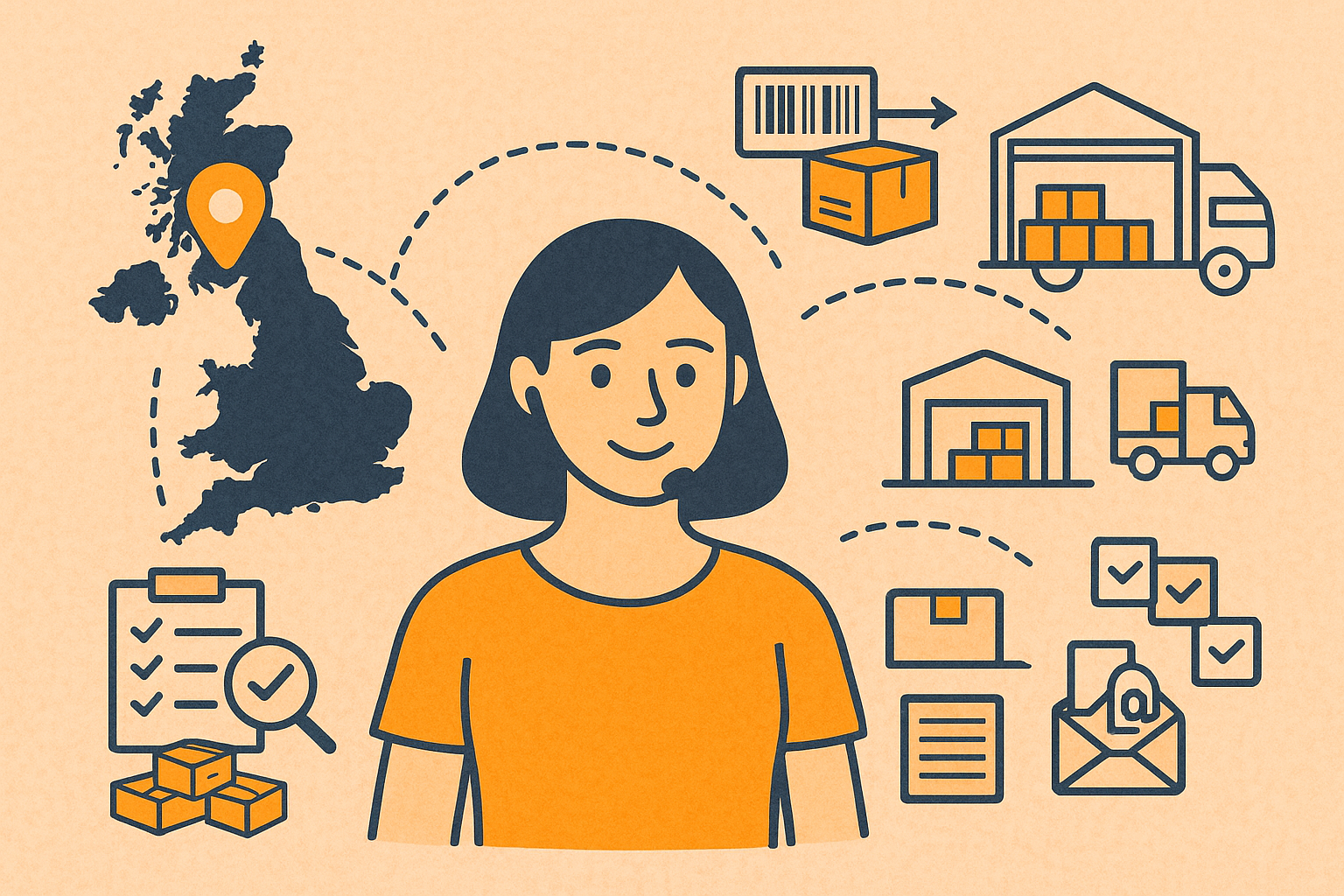
Running a single Shopify store is already a full-time responsibility. Between managing products, processing orders, handling customer enquiries, updating inventory, and planning marketing campaigns, it’s easy for business owners to feel stretched.
Now imagine adding Amazon, Etsy, Walmart, or other marketplaces into the mix. Each new sales channel creates more opportunities for growth—but it also introduces another layer of complexity.
On paper, multichannel e-commerce looks like the perfect way to increase revenue. In reality, without the right systems and the support of a ecommerce virtual assistant or virtual assistant, it quietly consumes your time, divides your attention, and eats into your margins through avoidable operational mistakes.
The Reality of Multi-Channel Ecommerce
Every ecommerce platform works differently. Shopify gives you full control over your store, while Amazon prioritises marketplace rules and seller performance metrics. Etsy rewards unique product presentation, and Walmart has its own approval processes and operational requirements.
Managing product information, pricing, inventory, promotions, and fulfilment across multiple channels quickly becomes overwhelming when handled manually. Even a small product update may need to be repeated across several platforms.
Then there’s the hidden cost that many founders underestimate: constantly switching between dashboards, customer inboxes, order systems, analytics reports, and marketplace notifications. This endless context-switching reduces productivity and leaves little time for strategic growth.
Where Things Start Breaking
Listings and Catalog Chaos
The same product often ends up looking different on every platform.
Titles, descriptions, bullet points, and images become inconsistent, making your brand appear less professional and reducing customer trust. Small formatting mistakes or missing attributes can also trigger listing errors, suppress products, or even result in marketplace rejections.
Over time, maintaining multiple versions of the same catalogue becomes increasingly difficult without structured processes.
Inventory and Order Confusion
Inventory management becomes one of the biggest operational risks in multi-channel ecommerce.
Without proper stock synchronisation, it’s easy to oversell products that are already out of stock. Manual inventory updates are frequently missed during busy sales periods, leading to delayed fulfilment, refunds, order cancellations, and negative customer reviews.
As order volumes grow, these mistakes become more expensive and more frequent.
Support, Reviews, and Messages
Customers expect fast responses regardless of where they purchase.
When enquiries arrive through Shopify, Amazon, Etsy, and other marketplaces simultaneously, keeping up with messages becomes increasingly difficult. Slow response times can damage marketplace performance metrics, reduce customer satisfaction, and affect future sales.
Meanwhile, reviews often go unnoticed or unanswered, missing valuable opportunities to build trust and strengthen your reputation.
Why “Just Hiring Someone” Often Doesn’t Fix It
Many business owners try to solve the problem by hiring a general virtual assistant and expecting them to manage everything.
Unfortunately, without ecommerce-specific experience, documented SOPs, and marketplace knowledge, they often become someone who simply completes individual tasks rather than managing the entire operation.
Instead of creating freedom, founders end up answering constant questions, checking every update, and micro-managing daily activities. True delegation only happens when an experienced ecommerce virtual assistant understands ecommerce workflows, marketplace requirements, and operational priorities.
What a Proper Multi-Channel Support System Looks Like
Centralized Product and Listing Management
Successful multi-channel businesses rely on having one reliable source of truth for product titles, descriptions, images, variants, and specifications.
Structured workflows ensure updates are made once and accurately distributed across Shopify, Amazon, Etsy, Walmart, and other marketplaces, reducing inconsistencies and saving valuable time.
Synced Inventory and Order Handling
A reliable inventory synchronisation process keeps stock levels aligned across every sales channel.
Clear ownership of order monitoring, exception handling, stock discrepancies, and escalation procedures helps prevent overselling while ensuring customers receive a consistent experience regardless of where they shop.
Dedicated Marketplace and Store VA Support
Dedicated ecommerce virtual assistant professionals understand how marketplaces operate and can manage listings, customer enquiries, product updates, reviews, routine reporting, and operational tasks efficiently.
With a trained virtual assistant handling day-to-day operations, founders gain the time and mental space to focus on strategy, product development, marketing, and long-term brand growth.
Where Ecommerceally Fits In
Ecommerceally specialises in providing experienced ecommerce virtual assistant services, marketplace management, and end-to-end ecommerce operations support across platforms including Shopify, Amazon, Etsy, Walmart, Noon, and more.
Rather than simply completing tasks, the goal is to build structured systems that create a calm, predictable multi-channel operation. With the right virtual assistant support and proven workflows in place, founders can spend less time managing daily operations and more time growing their business.
Signs You’re Ready to Stop Doing It Alone
- Orders and customer messages are becoming harder to manage than your current sales volume should justify.
- You’re delaying expansion into new marketplaces because your existing channels already feel overwhelming.
- Most of your day is spent fixing small operational mistakes instead of focusing on growth, marketing, or new products.
Frequently Asked Questions
1. Why should I hire an ecommerce virtual assistant instead of a general virtual assistant?
An ecommerce virtual assistant is trained specifically for online store operations. They understand platforms like Shopify, Amazon, Etsy, and Walmart, can manage listings, inventory, customer support, and marketplace policies, allowing business owners to delegate confidently without constant supervision.
2. Can a virtual assistant manage multiple ecommerce platforms at the same time?
Yes. A skilled virtual assistant can manage day-to-day operations across multiple sales channels, including updating product listings, processing orders, responding to customer enquiries, monitoring reviews, and coordinating inventory updates while following documented workflows and SOPs3. When is the right time to hire an ecommerce virtual assistant?
It’s the right time to hire an ecommerce virtual assistant when you’re spending more time managing orders, listings, and customer support than growing your business. If operational tasks are slowing your expansion or causing costly mistakes, bringing in specialised support can help streamline your ecommerce operations.
Conclusion
Running one online store already demands significant time and attention. Managing Shopify, Amazon, Etsy, and other marketplaces together without proper systems quickly becomes a full-scale operations job.
The right processes, supported by an experienced ecommerce virtual assistant and a skilled virtual assistant, can transform multi-channel ecommerce from a daily source of stress into a streamlined operation that supports sustainable business growth.